
Professional Guide to AC Installation

Installing an air conditioning system is a significant investment that can greatly improve comfort in your home or office. However, the process requires careful planning, precise execution, and professional knowledge to ensure efficiency and longevity. This guide will walk you through everything you need to know about professional AC installation, from choosing the right unit to understanding key installation principles.
Understanding Professional AC Installation
Professional AC installation is more than just placing a unit in your space. It involves a series of technical steps that ensure your air conditioner operates efficiently and safely. A professional installation includes assessing your space, selecting the right system size, and correctly installing all components.
When you hire a professional, they will evaluate your home’s cooling needs based on factors such as square footage, insulation, window placement, and local climate. This assessment helps determine the appropriate capacity of the air conditioner, preventing issues like insufficient cooling or excessive energy consumption.
Proper installation also involves setting up the indoor and outdoor units, connecting refrigerant lines, electrical wiring, and drainage systems. Incorrect installation can lead to leaks, poor airflow, and frequent breakdowns, which can be costly to repair.
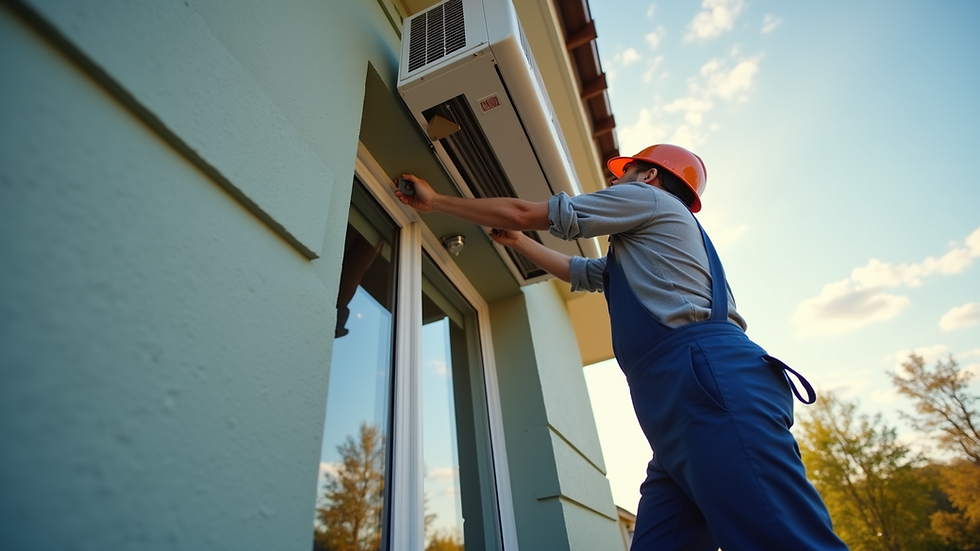
Key Steps in a Professional AC Installation
To ensure your air conditioning system works optimally, professionals follow a detailed installation process. Here are the main steps involved:
Site Inspection and Load Calculation
Before installation, a thorough inspection of your property is conducted. Professionals use load calculation methods like Manual J to determine the cooling capacity needed.
Selecting the Right Unit
Based on the load calculation, the appropriate AC unit size and type (split system, central air, ductless mini-split) are chosen.
Preparing the Installation Site
This includes mounting brackets, electrical connections, and ensuring proper ventilation for the outdoor unit.
Installing Indoor and Outdoor Units
The indoor unit is mounted in a location that allows optimal airflow, while the outdoor unit is placed on a stable surface with adequate clearance.
Connecting Refrigerant Lines and Electrical Wiring
Professionals carefully connect refrigerant lines, vacuum the system to remove air and moisture, and wire the unit to your electrical panel.
Testing and Calibration
After installation, the system is tested for leaks, airflow, and cooling performance. Adjustments are made to optimize efficiency.
Following these steps ensures your AC system runs smoothly and lasts longer.
What is the $5000 Rule for AC?
The $5000 rule is a budgeting guideline often used when planning an air conditioning installation. It suggests that the total cost of installing a new AC system, including the unit, labor, and any necessary modifications, should not exceed $5000 for an average-sized home.
This rule helps homeowners set realistic expectations and avoid overspending. However, costs can vary widely depending on factors such as:
The type and size of the AC unit
Complexity of installation (e.g., ductwork modifications)
Local labor rates
Additional features like smart thermostats or air purifiers
For example, a simple ductless mini-split installation might cost less than $3000, while a full central air system with new ductwork could exceed $7000. It’s important to get multiple quotes and understand what is included in the price.
Tips for Choosing the Right AC Unit
Selecting the right air conditioner is crucial for comfort and energy efficiency. Here are some practical tips:
Match Capacity to Space: An undersized unit will struggle to cool, while an oversized one will cycle on and off frequently, wasting energy. Use professional load calculations to find the right size.
Consider Energy Efficiency: Look for units with a high SEER (Seasonal Energy Efficiency Ratio) rating. Higher SEER means better efficiency and lower utility bills.
Choose the Right Type:
- Central Air Systems are ideal for whole-home cooling with existing ductwork.
- Ductless Mini-Splits are perfect for homes without ducts or for cooling specific rooms.
- Window Units are a budget-friendly option for single rooms.
Check Noise Levels: Some units operate more quietly than others, which can be important for bedrooms or offices.
Look for Warranty and Support: A good warranty and reliable customer support can save you money and hassle in the long run.
Maintenance Tips After Installation
Proper maintenance extends the life of your air conditioning system and keeps it running efficiently. Here are some essential tips:
Regular Filter Replacement: Change or clean filters every 1-3 months to maintain airflow and air quality.
Clean Coils and Fins: Dust and debris can reduce efficiency. Clean the outdoor condenser coils and indoor evaporator coils annually.
Check Refrigerant Levels: Low refrigerant can cause poor cooling and damage the compressor. Have a professional check and recharge if necessary.
Inspect Ductwork: Leaks in ducts can waste energy. Seal any gaps or holes to improve airflow.
Schedule Annual Professional Tune-Ups: A technician can identify and fix minor issues before they become major problems.

Why Professional Installation Matters
While DIY projects are popular, air conditioning installation is best left to professionals. Here’s why:
Safety: Handling refrigerants and electrical components requires specialized training to avoid hazards.
Efficiency: Proper installation ensures your system runs at peak performance, saving energy and money.
Longevity: Correct setup reduces wear and tear, extending the life of your AC unit.
Warranty Compliance: Many manufacturers require professional installation to keep warranties valid.
Code Compliance: Professionals ensure your installation meets local building codes and regulations.
If you want a hassle-free experience and reliable cooling, investing in professional air conditioning installation is the best choice.
Final Thoughts on Professional AC Installation
Investing in a professional AC installation is a smart decision that pays off in comfort, efficiency, and peace of mind. By understanding the installation process, budgeting wisely, and maintaining your system, you can enjoy cool, refreshing air for years to come. Whether upgrading an old unit or installing a new system, always prioritize quality workmanship and expert advice to get the most from your air conditioning investment.


Comments