
Everything You Need to Know About Air Conditioning Installation Guide
- Mick Hamad
- Jan 19
- 4 min read
Updated: Jan 20
Installing an air conditioning system is a significant investment that can greatly improve your comfort during hot months. Whether you are upgrading an old unit or installing a new system, understanding the process and what to expect can save you time, money, and stress. This guide covers everything you need to know about air conditioning installation, from choosing the right system to maintenance tips after installation.
Air Conditioning Installation Guide: Step-by-Step Process
When planning for air conditioning installation, it is important to follow a clear process to ensure the system works efficiently and lasts for years. Here is a step-by-step guide to help you understand what happens during installation:
Assessment and Load Calculation
A professional technician will evaluate your home’s size, insulation, and layout to determine the cooling load. This calculation ensures you get a system that is neither too small nor too large.
Choosing the Right System
Options include central air conditioners, ductless mini-splits, window units, and portable ACs. The choice depends on your home’s structure and your cooling needs.
Selecting the Installation Location
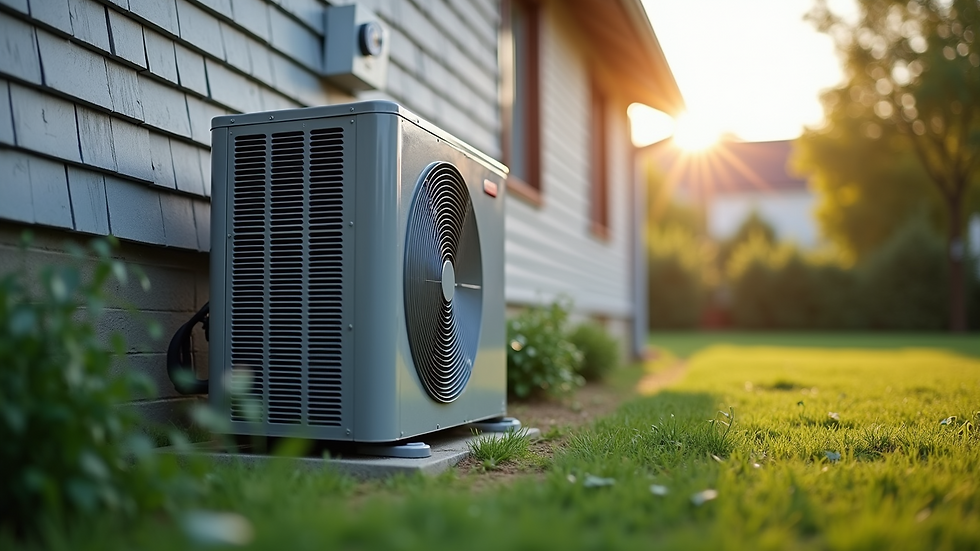
The outdoor condenser unit should be placed in a shaded, well-ventilated area. Indoor units need proper placement for optimal airflow and minimal noise.
Preparing the Site
This may involve installing or modifying ductwork, electrical wiring, and mounting brackets.
Installing the Unit
The technician will mount the indoor and outdoor units, connect refrigerant lines, electrical wiring, and drainage pipes.
System Testing and Calibration
After installation, the system is tested for leaks, airflow, and proper refrigerant charge. The thermostat is calibrated to ensure accurate temperature control.
User Training and Maintenance Tips
The installer will explain how to operate the system and provide advice on regular maintenance to keep it running efficiently.
Following these steps carefully ensures a smooth installation and optimal performance of your air conditioning system.
Factors to Consider Before Installing an Air Conditioner
Before you schedule an air conditioning installation, consider these important factors to make the best choice for your home:
Energy Efficiency
Look for units with a high Seasonal Energy Efficiency Ratio (SEER) rating. Higher SEER ratings mean lower energy bills.
Size and Capacity
An undersized unit will struggle to cool your home, while an oversized unit will cycle on and off too frequently, wasting energy.
Type of System
Central air conditioning is ideal for whole-house cooling, while ductless mini-splits are great for homes without ductwork.
Installation Costs
Costs vary depending on the type of system, complexity of installation, and local labor rates. Always get multiple quotes.
Warranty and Service
Choose brands and installers that offer good warranties and reliable after-sales service.
Environmental Impact
Consider units that use eco-friendly refrigerants and have energy-saving features.
Taking these factors into account will help you select a system that fits your budget and cooling needs.
What is the $5000 Rule for AC?
The $5000 rule is a simple guideline some homeowners use to estimate the cost of installing a new air conditioning system. It suggests that the total cost of the AC unit and installation should not exceed $5000 for an average-sized home. This includes:
The price of the air conditioning unit
Labor and installation fees
Necessary modifications to ductwork or electrical systems
While this rule can provide a rough estimate, actual costs vary widely based on location, system type, and home size. For example, installing a high-efficiency central AC in a large home may cost significantly more than $5000, while a smaller ductless system might be less expensive.
It is important to get detailed quotes from licensed professionals and consider long-term energy savings when budgeting for your air conditioning installation.
Tips for Maintaining Your Air Conditioning System After Installation
Proper maintenance is key to extending the life of your air conditioning system and keeping it running efficiently. Here are some practical tips:
Change or Clean Filters Regularly
Dirty filters reduce airflow and strain the system. Replace or clean filters every 1-3 months.
Keep Outdoor Unit Clear
Remove debris, leaves, and grass clippings from around the condenser unit to ensure proper airflow.
Schedule Annual Professional Tune-Ups
A technician can check refrigerant levels, clean coils, and inspect electrical components.
Monitor Thermostat Settings
Use programmable thermostats to optimize cooling and reduce energy use when you are not home.
Seal and Insulate Ducts
Leaky ducts waste cooled air and increase energy bills.
Check for Unusual Noises or Smells
Early detection of problems can prevent costly repairs.
By following these maintenance tips, you can enjoy reliable cooling and lower energy costs.

Choosing the Right Professional for Your Air Conditioning Installation
Selecting a qualified professional is crucial for a successful air conditioning installation. Here are some tips to help you find the right installer:
Check Credentials
Ensure the installer is licensed, insured, and certified by recognized industry organizations.
Read Reviews and Ask for References
Look for positive feedback from previous customers and ask for references to verify quality.
Get Multiple Quotes
Compare prices and services from several contractors to find the best value.
Ask About Experience
Choose installers with experience in the type of system you want.
Verify Warranty and Service Policies
Understand what is covered and how service calls are handled.
Discuss Timeline and Cleanup
Confirm how long the installation will take and whether the installer will clean up after the job.
Hiring the right professional ensures your system is installed correctly and backed by reliable support.
For those looking to install a new cooling system, understanding the entire process and what to expect can make a big difference. Whether you are considering a central air conditioner or a ductless system, following this air conditioning installation guide will help you make informed decisions and enjoy a comfortable home all summer long. For more detailed information and professional services, consider consulting experts in air conditioning installation.


Comments